

The Allure of Risk and Reward
One of the primary psychological factors driving casino gambling is the allure of risk and reward. Humans are naturally drawn to situations that provide an adrenaline rush, and the casino environment is designed to amplify this excitement. The possibility of winning large sums of money creates an emotional high that many find irresistible, pushing them to place bets even when the odds are against them. As they explore different games, some even consider emerging options like crypto sports betting sites that promise unique thrills.
This thrill is often intensified by the unpredictable nature of gambling. The uncertainty of not knowing whether a bet will pay off taps into the human psyche’s love for surprises and the unknown. This unpredictability can lead to a cycle of anticipation and excitement, making each bet feel like an adventure that could end in a significant win.
The Psychology of Loss Aversion
Loss aversion, a concept rooted in behavioral economics, plays a significant role in gambling behavior. People tend to fear losses more than they value gains, which can lead to a persistent compulsion to gamble in an effort to recover lost money. This phenomenon, often referred to as “chasing losses,” can result in individuals placing increasingly larger bets in hopes of a turnaround.
The emotional and psychological toll of losses can be profound, creating a vicious cycle where the gambler feels compelled to continue playing. The desire to regain lost money overrides rational decision-making, leading individuals deeper into gambling habits that can ultimately be detrimental to their finances and mental health.
The Social Aspect of Gambling
The social aspect of gambling can also significantly influence a person’s decisions and behaviors in a casino. Many individuals enjoy the camaraderie that comes from playing games with friends or strangers, enhancing the overall experience. The presence of other gamblers can create a sense of community, making the act of betting feel more socially acceptable and exciting.
This social interaction can lead to increased gambling activity as individuals feed off the energy of those around them. Celebrating wins together or lamenting losses creates a shared experience that reinforces the desire to keep betting, often leading to longer gaming sessions than initially intended.
The Role of Design and Environment
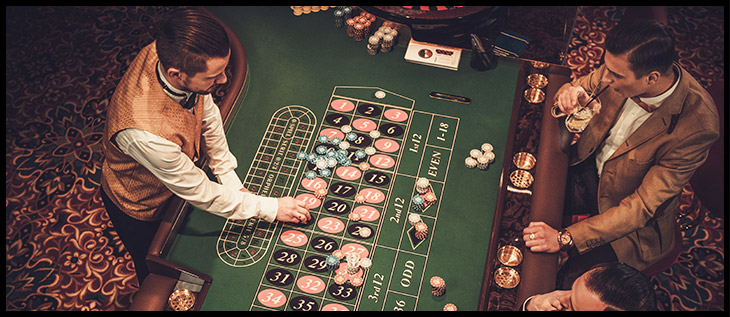
The design of a casino plays a crucial role in shaping gambling behavior. Casinos are meticulously crafted environments designed to engage all the senses, from the bright lights and vibrant colors to the sounds of slot machines and laughter. This sensory overload can create an immersive experience that can easily lead to extended gambling sessions.
Furthermore, the absence of clocks and windows in many casinos contributes to a distorted sense of time. Gamblers may lose track of how long they have been playing, leading to prolonged betting behavior. This intentional design aims to keep players engaged and spending, emphasizing the importance of environmental factors in influencing gambling decisions.
About the Website
This website is dedicated to providing readers with insights into various psychological and social aspects of gambling, including the influence of design and environment. By exploring these themes, we aim to foster a deeper understanding of what drives individuals to place bets in casinos.
Our commitment to educating readers about the psychological mechanisms behind gambling encourages informed decisions. We believe that understanding these factors is essential for promoting responsible gambling practices and enhancing overall awareness of the complexities involved in casino gaming.